

BMW i3 50 xDrive Sedan: Energy consumption, combined WLTP in kWh/100 km: 16.2–13.9; Electric range, WLTP in km: 817–883
The stated values are based on the mandatory WLTP measurement procedure. The real life values depend on various factors, e.g. cargo weight, driving style, route, weather conditions, auxiliary electrical consumption (including air conditioning), tires, battery state of health.
|
km
883
km
|
| Max. range WLTP¹ |
|
s
4.7
s
|
| Acceleration 0-100 km/h |
|
km
423
km
|
| Max. range (WLTP) after 10 minutes recharging² |
| Max. range WLTP¹ | Acceleration 0-100 km/h | Max. range (WLTP) after 10 minutes recharging² |
BMW i3 50 xDrive Sedan: Energy consumption, combined WLTP in kWh/100 km: 16.2–13.9; Electric range, WLTP in km: 817–883
The stated values are based on the mandatory WLTP measurement procedure. The real life values depend on various factors, e.g. cargo weight, driving style, route, weather conditions, auxiliary electrical consumption (including air conditioning), tires, battery state of health.
Further drivetrains and variants of your sports sedan.
Petrol.
Petrol.
Discover the BMW 3 Series Sedan with combustion engine. For tangible driving pleasure and dynamic power delivery wherever you drive.

M Performance models.
M Performance models.
Discover the M Performance model of the BMW 3 Series Sedan, for even more intense driving pleasure.
BMW i3 50 xDrive Sedan: Energy consumption, combined WLTP in kWh/100 km: 16.2–13.9; Electric range, WLTP in km: 817–883
The stated values are based on the mandatory WLTP measurement procedure. The real life values depend on various factors, e.g. cargo weight, driving style, route, weather conditions, auxiliary electrical consumption (including air conditioning), tires, battery state of health.


BMW i3 50 xDrive Sedan
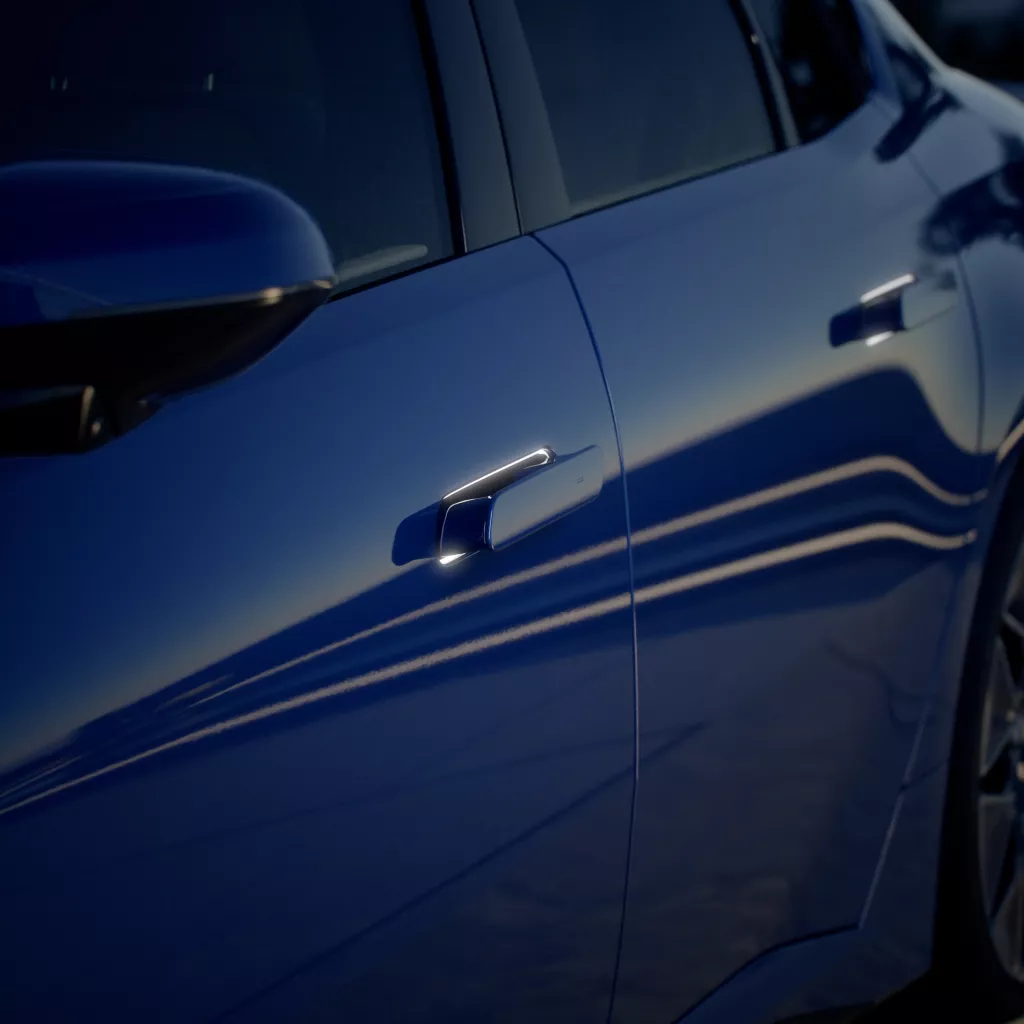


BMW i3 50 xDrive Sedan: Energy consumption, combined WLTP in kWh/100 km: 16.2–13.9; Electric range, WLTP in km: 817–883
The stated values are based on the mandatory WLTP measurement procedure. The real life values depend on various factors, e.g. cargo weight, driving style, route, weather conditions, auxiliary electrical consumption (including air conditioning), tires, battery state of health.
BMW i3 50 xDrive Sedan


Due to regular software updates, screen designs in the communication may differ from the actual screen design in your car.


Due to regular software updates, screen designs in the communication may differ from the actual screen design in your car.
|
kW
345
kW
|
| Max. power |
|
kW
400
kW
|
| Max. DC charging power⁷ |
|
kWh/100 km
16.2–13.9
kWh/100 km
|
| Energy consumption (WLTP)¹ |
| Max. power | Max. DC charging power⁷ | Energy consumption (WLTP)¹ |
BMW i3 50 xDrive Sedan: Energy consumption, combined WLTP in kWh/100 km: 16.2–13.9; Electric range, WLTP in km: 817–883
The stated values are based on the mandatory WLTP measurement procedure. The real life values depend on various factors, e.g. cargo weight, driving style, route, weather conditions, auxiliary electrical consumption (including air conditioning), tires, battery state of health.


BMW i3 50 xDrive Sedan: Energy consumption, combined WLTP in kWh/100 km: 16.2–13.9; Electric range, WLTP in km: 817–883
The stated values are based on the mandatory WLTP measurement procedure. The real life values depend on various factors, e.g. cargo weight, driving style, route, weather conditions, auxiliary electrical consumption (including air conditioning), tires, battery state of health.
Electric range and charging values according to WLTP for demonstration and comparison purposes. Real-life values and charging performance depend on vehicle equipment, the state of charge and health of the battery, battery temperature, individual driving profile, use of auxiliary users, ambient temperature, and the charging power provided at the charging station.
Due to regular software updates, screen designs in the communication may differ from the actual screen design in your car.


Driving Assistant Plus.
The system makes steering and braking easier for you. The Driving Assistant Plus³ can detect speed limits, and even adapts the speed as needed when approaching corners, roundabouts and junctions. If you wish, it can control the speed and distance from the vehicle in front and help you to keep your BMW in lane.³, ¹⁰
Parking Assistant Plus and Parking Assistant Professional.
Park safely and easily in even the tightest parking spaces with 360° view. The Parking Assistant Plus³ offers expanded parking views to keep an eye on all sides of the vehicle and your surroundings. Repeated parking manoeuvres can be saved and performed semi-automatically at any time. You can even do this remotely from your smartphone using the additionally available Parking Assistant Professional³ via the My BMW App.⁴, ¹⁰
Security Assistant.
If you are involved in an accident, your BMW automatically stores the recordings of its surroundings. If your parked car is damaged or theft is attempted, the My BMW App will notify you straight away. As soon as a sensor in your parked BMW detects damage or the alarm system is triggered, you receive a push notification. The exterior cameras record short videos.³, ⁴, ¹⁰

BMW i3 50 xDrive Sedan: Energy consumption, combined WLTP in kWh/100 km: 16.2–13.9; Electric range, WLTP in km: 817–883
The stated values are based on the mandatory WLTP measurement procedure. The real life values depend on various factors, e.g. cargo weight, driving style, route, weather conditions, auxiliary electrical consumption (including air conditioning), tires, battery state of health.
Frequently asked questions on the BMW i3 Sedan.

BMW Financial Services.
Complete your tailor-made leasing or finance quote with compelling services and insurance, all in a single package.

Charge your BMW i3 Sedan on the go.
With our extensive charging solutions, you'll always find the right charging option for your electric car nearby, even when you're on the road.

BMW Service.
With tailor-made offers and our Proactive Care service promise, you stay mobile at every moment. Maintenance, repair or service – we provide precisely what your BMW needs.

BMW ConnectedDrive.
The digital products and services of BMW ConnectedDrive keep you connected to your car. Communicate with your BMW even more intuitively and enjoy intelligent, innovative features for greater safety, comfort and entertainment.
Legal notice.
BMW i3 50 xDrive Sedan: Energy consumption, combined WLTP in kWh/100 km: 16.2–13.9; Electric range, WLTP in km: 817–883
¹ The stated values are based on the mandatory WLTP measurement procedure. The real life values depend on various factors, e.g. cargo weight, driving style, route, weather conditions, auxiliary electrical consumption (including air conditioning), tires, battery state of health.
² The range after 10 minutes High-Power-Charging was determined according to ISO12906 in the WLTP cycle. This, as well as the charging performance depend on vehicle equipment, the state of charge and health of the battery, battery temperature, individual driving profile, use of auxiliary users, ambient temperature, and the charging power provided at the charging station.
³ Equipment optionally available.
⁴ This requires BMW ConnectedDrive Services and a suitable smartphone. The availability and functions of the My BMW App vary by market and model.
⁵ The availability of apps and content may change at any time and may vary from country to country.
⁶ Expected availability: 2027.
⁷ The charging performance depends on the state of charge, ambient temperature, individual driving profile and use of auxiliary consumers.
⁸ Can only be used with the appropriate charging cable/adapter.
⁹ Bidirectional charging requires corresponding equipment, which is optionally available depending on the model and market. The specified maximum charging and discharging capacities may vary depending on the country and infrastructure. Vehicle-to-Load (V2L) and Home Backup System are only possible with the optional equipment AC Charging Professional (SA4U6) and the associated BMW adapters (accessories) (expected to be available from the fourth quarter of 2027).
¹⁰ The availability, system limits and range of functions may vary by country.
¹¹ Model for comparison: BMW i4 M60 xDrive. Using power from the European electricity mix and assuming a distance covered of 200,000 kilometres.
The values of fuel consumptions, CO2 emissions and energy consumptions shown were determined according to the European Regulation (EC) 715/2007 in the version applicable at the time of type approval. The figures refer to a vehicle with basic configuration in Germany, the range shown may consider optional equipment including the different size of wheels and tires available on the selected model.
The CO2 efficiency specifications are determined according to Directive 1999/94/EC and the European Regulation in its current version applicable. The values shown are based on the fuel consumption, CO2 values and energy consumptions according to the WLTP 4 cycle for the classification.
When charging times are shown they can be affected by a number of factors such as type of charger, voltage supplied to the charger/car and type of current (AC or DC) supplied to the charger/car. The car also plays a role in charging times as it can be set by the driver to accept various different amperage and should preconditioning be used to heat or cool the vehicle while charging this will also affect the charging time.
When available, the basis for the calculation of the charging times for 100 km range is the electric consumption of the vehicle based on the use of a high-Powered Charging station (HPC) or charging type and current as indicted in the literature above. The testing procedure measures are based on a 23 degrees Celsius battery start and ambient temperature with certification values excluding additional auxiliary consuming devices and systems within the vehicle such as seat heating, displays, air conditioning.
Individual consumption (fuel economy) may differ due to driving profile, vehicle load profile, auxiliary consumer usage, temperature, and ambient conditions. Consumption is based on WLTP conditions and is independently tested for BMW Group. If you are comparing this range with other models or brands make sure they are stating the same WLTP, other standards including NEDC can vary considerably. These results can be used to compare vehicles on a close to “like for like” basis but are unlikely to be achieved in real world conditions for reasons including temperature variation, driving conditions and the use of the auxiliary systems referred to above.
Information provided and images displayed on this site include overseas models and may show some features not available in New Zealand. Please contact an authorised BMW dealer for specific information on vehicles and features available in New Zealand. Product changes may have been made since production of this content.